

A podiatry visit is short, and the feet carry on without you for weeks afterwards. Podiatry aftercare, the things the client does at home, affects how long the result of your work holds. Most clients want to help but are not sure what to do: how to treat the area you worked on, which shoes to wear, when to call. A few clear sentences at the end of the visit are worth more than a leaflet they will not read.
Podiatry aftercare in the first days after a visit
Right after a visit the client mostly needs to keep up ordinary care and leave your work alone. The nail edge you treated and the skin you worked on should heal and settle without help from scissors or a blade.
A short aftercare list to give out loud:
- keep the feet clean, and dry them well, including between the toes;
- do not pick at the treated nail edge and do not scrape the callus at home;
- wear roomy shoes that do not squeeze the toes or rub the heel;
- call sooner if pain, swelling or redness gets worse.
The sections below go through these points in more detail. Advice that applies to this one client belongs in the visit conclusion, so at the next appointment you can check whether it worked. See also how to write a visit conclusion a colleague can use.
Wash and dry, including between the toes
Daily washing with lukewarm water and mild soap is enough. Drying is the step people skip. Skin that stays damp between the toes softens and cracks more easily, and fungal infections tend to start in exactly those spaces. Ask clients to dry between the toes with a towel after every wash. Walking barefoot in damp public places such as pool areas and changing rooms is best avoided, and slippers or sandals help there.
Moisturise the skin, but not between the toes
Dry heels and soles benefit from a foot cream once a day. Keep the spaces between the toes dry, so no cream goes there. A thick callus needs a different explanation: cream keeps the skin supple but does not remove the callus. Cutting or scraping it with a blade at home is a bad idea, because it is easy to cut too deep. Leave that to the visit.
Trim nails the safe way
The usual advice is to cut toenails straight across and not to round the corners deeply. Corners that are cut too short are a common starting point for ingrown nails. Tearing or picking at the nail edge causes the same trouble. Nails are easier to cut after a wash, when they are softer. If a client already has pain or redness at the nail edge, they should book a visit and not keep working at it themselves.
Shoes podiatrists recommend, and socks
Shoes that squeeze the toes or rub the heel cause many of the problems you see in practice. Clients often ask which shoes a podiatrist would recommend. A brand name will not fit every foot, so give them a few checks they can do themselves:
- the toes move freely inside the shoe;
- the heel does not rub;
- by the end of the day the shoes leave no red marks;
- new shoes are tried on in the afternoon, because feet swell a little over the day.
Socks should be clean and dry. Changing them daily helps, and breathable materials are more comfortable if the feet sweat.
Look at both feet regularly
Ask clients to look at their feet from time to time, including the soles and the spaces between the toes. A mirror placed on the floor makes the soles easy to see. Anything new deserves attention: a blister, a crack, a change in nail colour, a patch of skin that looks different from the rest. Clients with diabetes or poor circulation should check more carefully, because they may not feel a small injury. Any wound that is slow to heal needs a doctor.
When to come back sooner
Give clients a short list of signs that mean they should not wait for the next appointment:
- pain, swelling or redness that is getting worse;
- pus or an unusual smell from a wound or a nail edge;
- a crack or blister that is not healing;
- a spot on the skin or a nail that is changing.
In each of these cases the client should contact you or a doctor and should not try to treat it at home.
Write the advice into the visit record
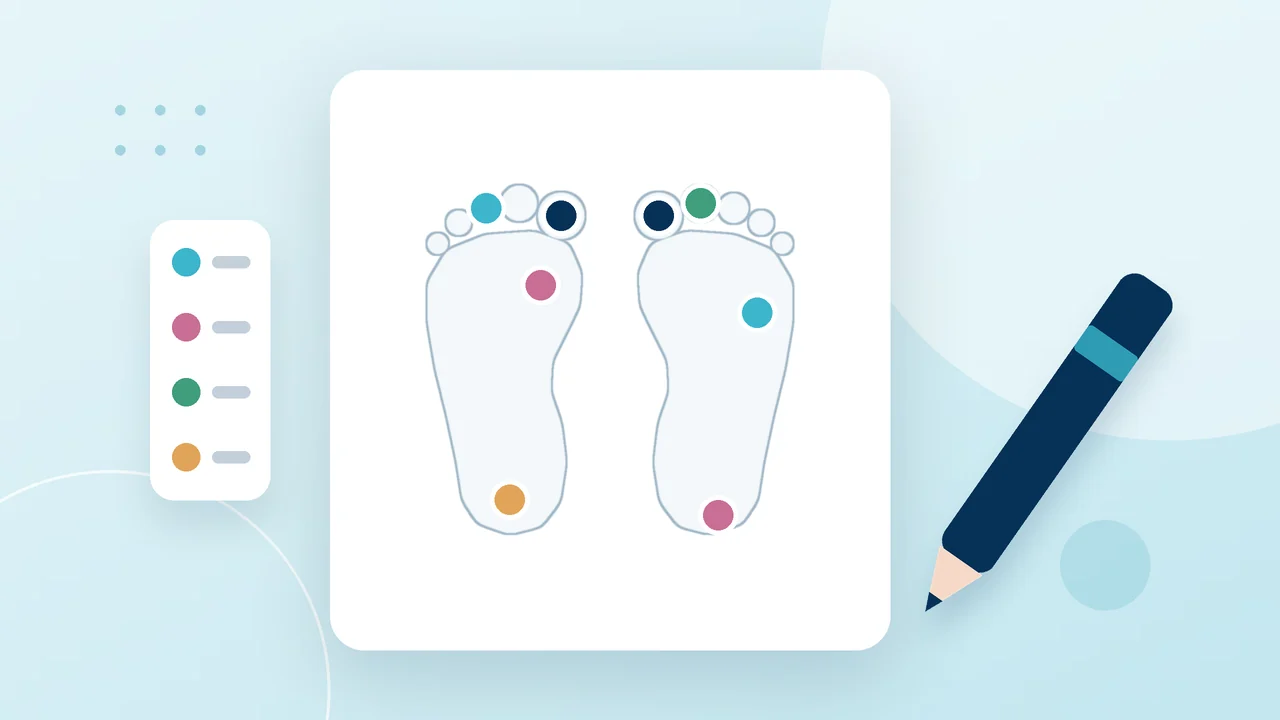
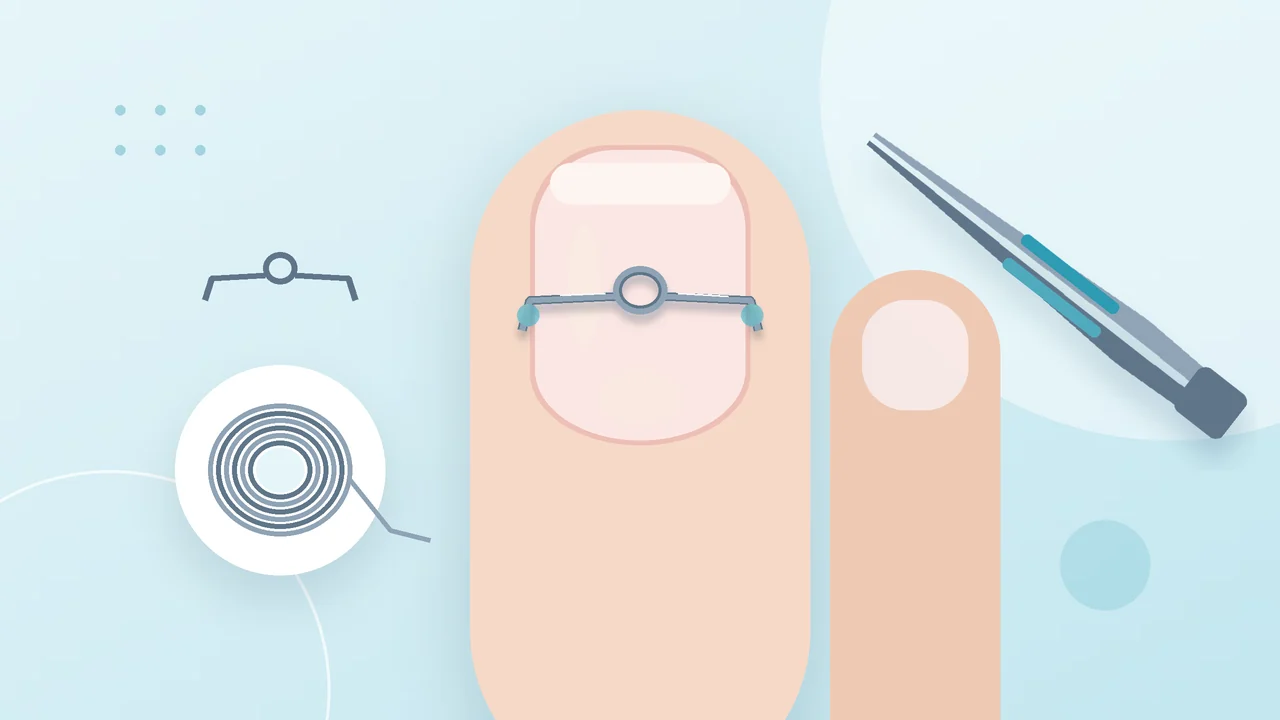
Spoken advice is easy to lose, so put the two or three points that matter most for this particular client in the visit conclusion. At the next appointment you open the record, see what you said and ask how it went. In PodoCard a visit has its own conclusion section next to the feet, nails, correction systems and photos, so the advice stays with the rest of the visit.
Specific advice works better than general rules. "Dry between the toes after every shower and wear cotton socks" is something a client can actually do tomorrow.
A short script for the end of the visit
If you want something to say out loud, a few sentences are enough. Tell the client what you did today and what to watch for at home. Name one habit to change, such as drying between the toes or choosing roomier shoes. Say which signs mean they should call you before the next date. Then note the same points in the record, so you both remember them.
Clients who know what to do between visits usually come back with feet that are easier to work on, and they know when to call you sooner.